

Dental Glossary & Knowledge Base — Tony Hill Dental
Our team at Tony Hill Dental knows dental information can feel overwhelming, especially if you are caring for a family, comparing treatment options, or visiting a new dentist for the first time.
This Knowledge Base aims to give patients in Hobart and surrounding suburbs clear, practical explanations of the dental terms typically encountered during appointments or while exploring treatment options.
We’ve also added FAQs under each service category, based on the questions patients regularly ask during visits to our clinic.
Understanding dental terms can be helpful when preparing for an appointment or learning more about oral health in general.
First Time Visit
A first dental visit is typically designed to give both the clinician and the patient an overview of the person’s oral health. This type of appointment often includes reviewing medical history, discussing any concerns, and assessing the teeth, gums, and surrounding structures.
Understanding what happens during an initial visit can help individuals feel more prepared and confident when attending a dental practice for the first time.
Comprehensive New Patient Exam
This usually involves assessing teeth, gums, jaw joints, and soft tissues to gain a clear understanding of oral health.
Dental History Review
This refers to the process of gathering relevant medical and dental information to support safe and appropriate care.

What should I bring to a first appointment?
Patients generally benefit from bringing any recent dental X-rays, a list of current medications, and their health fund card if applicable.
How long does a first visit usually take?
A first appointment commonly takes between 45 and 60 minutes, although the exact duration depends on individual needs.
Will treatment start on the same day?
Simple procedures may begin on the same day, but more complex treatments are usually scheduled separately to allow adequate planning.
Regular Check-ups
Routine Examination
A routine examination often includes visually assessing teeth, gums, fillings, and bite patterns.
Scale and Clean
This is a professional removal of plaque and calculus (tartar), followed by polishing to smooth the surface of the teeth.
How often should people attend check-ups?
Many individuals attend dental check-ups every six months, although some may require more or less frequent reviews based on their oral health.
Do routine check-ups hurt?
Routine check-ups are usually comfortable, and people with sensitivity can request adjustments to help manage discomfort.
General Dental Services
Dental Examination
A dental examination typically involves checking teeth, restorations, gums, and mouth tissues for any signs of change.
Emergency Appointments
Emergency care refers to managing issues such as severe pain, swelling, broken teeth, or injuries that require prompt attention.
What is considered a dental emergency?
A dental emergency generally includes severe pain, swelling, trauma, or any concern that affects a person’s ability to eat, speak, or function comfortably.
Are same-day appointments possible for urgent concerns?
Some dental practices keep time available for urgent cases, although availability can vary depending on the day and the severity of the issue.
Children’s Dentistry
Child-Friendly Exams
These are examinations carried out in a way that helps children feel safe, relaxed, and supported.
Fissure Sealants
A fissure sealant is a thin protective coating sometimes applied to molars to help reduce the likelihood of decay in deep grooves.
Preventive Guidance
Preventive guidance includes showing children effective brushing techniques, flossing methods, and age-appropriate oral hygiene habits.
When do most children first visit a dentist?
Many health guidelines suggest that children visit a dentist by age one or when the first tooth appears, whichever comes first.
How are anxious children usually supported during dental visits?
Clinicians commonly use calm explanations, gradual introductions to instruments, and parent involvement to reduce anxiety.
Local Anaesthetic
How long does numbness from local anaesthetic last?
Numbness typically lasts between one and three hours, depending on the type of anaesthetic used and individual response.
Is local anaesthetic considered safe?
Local anaesthetics have a long history of safe use in dentistry when administered by trained professionals.
Cosmetic and Advanced Dental Treatment
Smile Improvements
This term refers to cosmetic procedures aimed at enhancing the appearance of teeth.
Digital Treatment Planning
This involves using imaging technology to assist with evaluating tooth shape, alignment, and colour when planning cosmetic treatments.
Will cosmetic treatments look natural?
The natural appearance of cosmetic results depends on the materials used, the planning process, and the individual’s expectations.
Do cosmetic treatments require downtime?
Many cosmetic treatments require little or no recovery time, although this depends on the procedure.
Teeth Whitening
In-Clinic Whitening
This describes whitening procedures carried out under clinician supervision.
Take-Home Whitening Kits
These are whitening systems used at home over a period of days or weeks, often with custom or pre-made trays.
Is teeth whitening safe for enamel?
Teeth whitening products that are approved for dental use are formulated to be safe when used correctly.
How long do whitening results last?
Results vary widely and depend on factors such as diet, oral hygiene, and lifestyle habits.
General Anaesthetic
Is general anaesthetic used for routine dental procedures?
General anaesthetic is not typically used for routine procedures and is usually reserved for cases where local anaesthetic is insufficient or inappropriate. If necessary, Tony Hill Dental can arrange referrals for patients to be treated under general anaesthetic.
Dental Hygienist
What is the difference between a dentist and a dental hygienist?
A dentist diagnoses dental conditions and performs treatment, while a dental hygienist focuses on preventive care, cleaning, and gum health.
Post-Op Care
Post-operative care refers to the guidance provided after dental procedures to support comfortable healing. Instructions may cover topics such as oral hygiene, dietary adjustments, medication use, and signs to monitor during recovery.
Who should I contact if I have concerns after a procedure?
Patients usually contact the dental practice or clinician who provided the treatment to discuss any concerns or unexpected symptoms.
Fillings, Crowns and Bridges
Fillings
A filling restores an area of a tooth affected by decay or wear using materials such as composite resin.
Crowns
A crown is a custom-made covering placed over a tooth to strengthen or restore its structure.
Bridges
A bridge replaces one or more missing teeth by attaching to surrounding teeth or implants.
How long do crowns typically last?
Crowns often last several years, although longevity varies based on oral hygiene, materials, and general wear.
Will a bridge look natural in the mouth?
Bridges are designed to resemble natural teeth in colour and shape, helping them blend with the existing dentition.
Dental Implant Restorations
Do implant restorations feel like natural teeth?
Implant restorations are designed to function similarly to natural teeth, although they do not contain nerves and therefore may feel slightly different.
How is cleaning around an implant performed?
Cleaning around implants usually involves brushing, flossing, and regular professional check-ups to maintain healthy tissue.
Ceramic Veneers
How many veneers do people usually choose?
The number varies based on personal preference and aesthetic goals.
Do ceramic veneers stain?
Ceramic materials are generally resistant to staining, although surrounding teeth may change colour over time.
Teeth Extractions
Is the extraction procedure painful?
Local anaesthetic is typically used during extractions to minimise discomfort, although pressure sensations may still be felt.
What foods are recommended after an extraction?
Soft foods such as yoghurt, soups, and mashed vegetables are often recommended during the early healing period.
Root Canal Therapy
Is a root canal procedure painful?
Modern techniques and anaesthetic typically make root canal treatment a comfortable procedure for most individuals.
How many appointments does root canal therapy require?
Root canal therapy typically requires one or two appointments, depending on the complexity of the case.

Other General Dental Terms You Should Know
Alignment — The way your teeth sit in a row. Misalignment can affect chewing, cleaning, and overall comfort. Tony Hill Dental checks alignment during routine exams and may recommend orthodontic referrals if needed.
Clear Aligners — Transparent trays used to gently move teeth over time. While major orthodontic cases are referred externally, we assist with assessments and follow-up care for patients already using aligners.
Crossbite — A bite issue where some top teeth sit inside the lower teeth. Early diagnosis helps prevent uneven wear and jaw strain.
Crowding — When there isn’t enough space in the jaw for all teeth to sit comfortably. We discuss crowding during check-ups, especially for teenagers.
Diastema — A visible gap between teeth, often between the front two. Cosmetic options like bonding or veneers can reduce its appearance.
Elastics (Orthodontic Bands) — Small rubber bands used in braces to adjust bite alignment. Patients who already have orthodontic appliances may receive guidance on proper use.
Malocclusion — A general term for bite irregularities. We check for malocclusions during exams to ensure long-term jaw and tooth health.
Overbite / Overjet — When upper front teeth sit far ahead of the lower teeth. The dentist can identify these early and advise whether monitoring or referral is needed.
Retainer — A custom device worn after orthodontic treatment to maintain tooth position. We help monitor retainer fit and oral hygiene around them.
Cosmetic Dentistry Terms
Contouring (Tooth Reshaping) — A minor cosmetic procedure that smooths small chips or uneven edges to create a more balanced smile.
Digital Smile Preview — Using images to show how proposed cosmetic treatment may look. Tony Hill Dental uses photos and digital tools to help patients feel confident about decisions.
Extrinsic Staining — Discolouration on the tooth surface caused by coffee, tea, wine, or smoking. Cleanings and whitening can help reduce this.
Intrinsic Staining — Stains within the tooth structure. We discuss whether whitening, veneers, or other options may help.
Polishing — The final step of a professional clean where teeth are smoothed to reduce plaque build-up and improve sheen.
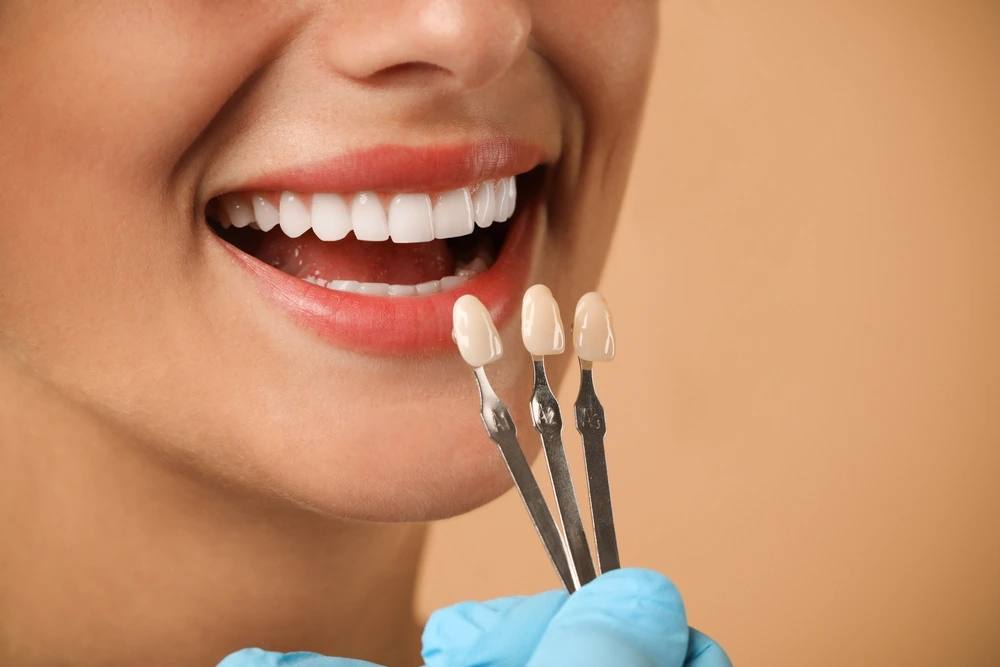
Shade Matching — The careful selection of tooth colour for fillings, veneers, or crowns. The dentist uses shade guides to ensure restorations blend naturally.
Smile Line — The curve made by your upper front teeth when you smile. This is considered during cosmetic planning.
Translucency — The degree to which the edges of teeth allow light through. Natural translucency is considered when designing veneers or crowns.
Surgical Dentistry Terms
Alveolar Bone — The bone that supports the teeth. X-rays help assess its health before extractions or implant-related procedures.
Bone Graft — A procedure sometimes needed to rebuild bone before implants. If necessary, Tony Hill Dental refers patients to trusted specialists and completes restorative steps afterward.
Elevator Instrument — A dental tool used during extractions to carefully loosen a tooth before removal.
Extraction Socket — The empty space left after a tooth is removed. Post-op instructions help protect this area while it heals.
Incision and Drainage — A procedure used to treat certain dental infections. If required, we ensure prompt care and appropriate follow-up.
Sutures — Small stitches placed after certain surgical procedures to support healing. They may dissolve on their own or require removal.
Wisdom Teeth Assessment — The evaluation of the back molars for impaction or crowding. X-rays help determine whether removal is needed.
Osteitis (Dry Socket) — A painful condition when the extraction site loses its protective blood clot. We provide clear post-op steps to reduce this risk.
Children’s Dentistry Terms
Dummy (Pacifier) Weaning — Guidance provided to parents on reducing long-term dummy use to support proper jaw and tooth development.
Eruption Chart — A guide showing when baby and adult teeth usually appear. We use this to monitor a child’s dental development.
Fluoride Varnish — A protective coating applied to children’s teeth to prevent decay, especially helpful for kids at higher risk.
Molar Incisor Hypomineralisation (MIH) — A condition where some teeth form with weaker enamel. We offer advice and early treatment for children with MIH.
Paediatric Mouthguard — A custom-fit mouthguard for children involved in sport. Designed to protect growing teeth.
Pulpotomy — A treatment for baby teeth when decay reaches the nerve. It helps save the tooth until it naturally falls out.
Space Maintainer — A small appliance used to hold space open if a baby tooth is lost too early, helping prevent crowding later.
Teething — The period when baby teeth emerge. We give guidance on soothing discomfort and maintaining oral hygiene.
Tongue-Tie Assessment — Evaluation of a restricted tongue movement that may impact feeding or speech. Referrals are made when treatment is required.
Trauma in Children — Dental injuries from playground or sports incidents. We provide assessments and follow-up care to protect developing teeth.
Get In Touch

Max Angus House
3/116 Bathurst Street
Hobart TAS 7000, Australia

reception@tonyhilldental.com.au

(03) 6234 4492